Thanks for the Feedback by Douglas Stone and Sheila Heen
Feedback is everywhere: at work, in school, and even in daily conversations. This book helps you take feedback without stress, learn from it, and use it to grow.
About the Book
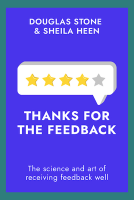 Title: Thanks for the Feedback: The Science and Art of Receiving Feedback Well
Author: Douglas Stone and Sheila Heen
Genre: Communication, Business, Personal Growth, Psychology
Year of Publication: 2014
Pages: 368
Summary: What the Book Is About
This book explains why feedback can feel unfair, confusing, or even painful—especially when you believe you are trying your best. The authors show that feedback is not one single thing: it can be praise, coaching, or a judgment. You learn how to separate the message, ask better questions, and focus on what will help you improve right now.
“We swim in an ocean of feedback.”
English Level
-
CEFR: B2 (strong intermediate)
-
Learners preparing for: IELTS 6.5 or TOEFL iBT ~80
At B2, you can follow workplace examples, understand common business verbs, and handle longer sentences without translating every word.
Why This Book Helps English Learners
This section is useful because it connects what you read to how you learn English. You will not only understand the ideas—you will also train real language skills you can reuse at work or in interviews.
Language skills it develops
-
Reading: clear non-fiction structure, examples, and explanations
-
Vocabulary: workplace words (performance, improvement, standards, expectations)
-
Idioms & phrases: polite disagreement, clarifying questions, softening language
-
Grammar in context: conditionals (“If…, then…”), contrasts (“however”, “even though”), cause/effect (“because”, “therefore”)
Estimated number of unique words: ~6,000–9,000 (depends on edition and how you count word forms).
To make the main ideas easier to use, here is a quick table. Its value is that it shows the three types of feedback with a simple goal and a sample sentence, so you can recognize them while reading.
| Type of feedback | Main goal | Typical example | Best first response |
|---|---|---|---|
| Appreciation | Motivation and recognition | “Good job on the presentation.” | “Thank you—what part helped the most?” |
| Coaching | Improvement and learning | “Next time, try a clearer opening.” | “Can you show me a strong example?” |
| Evaluation | A rating or judgment | “This is not meeting the standard.” | “Which standard, exactly, and how is it measured?” |
Tip: When you read, try to label the feedback type in each story. This makes the message clearer and speeds up comprehension.
If you want extra practice while you read, you can use Fluently app to repeat key phrases out loud and record yourself. Use Fluently app again the next day for quick review, so the sentences become automatic.
User Reviews
⭐⭐⭐⭐⭐ “Practical and honest. It helped me handle criticism without getting defensive.”
⭐⭐⭐⭐ “Clear examples. I started asking better questions in meetings.”
⭐⭐⭐⭐ “A bit uncomfortable at first, but very useful if you want to grow.”
Average Rating: 4.05 / 5
Did You Know?
These facts are interesting because they explain why the book feels so practical:
- The authors are connected to Harvard’s negotiation and communication work, which is why the book uses real workplace conversations.
- The book focuses on the receiver’s side of feedback, which is less common than books about giving feedback.
- The core idea of separating feedback into different types helps readers stop mixing “helpful tips” with “personal judgment.”
Similar Books You Might Enjoy
This list is useful because these titles support the same goal: stronger communication under pressure.
-
Difficult Conversations — Douglas Stone, Bruce Patton, Sheila Heen
-
Crucial Conversations — Kerry Patterson, Joseph Grenny, Ron McMillan, Al Switzler
-
Radical Candor — Kim Scott
❓ FAQ
Is this book only for managers?
No. It is helpful for anyone who receives feedback: employees, students, freelancers, and job seekers.
Can I read it if I hate business books?
Yes, because the writing is story-based and practical. It is more about people and emotions than corporate rules.
What is the best way to take notes while reading?
Write short “action notes”: one sentence you can use, one question you can ask, and one word you want to remember.
Does it help with workplace English in the United States?
Yes. The situations match common US communication styles: direct goals, performance reviews, teamwork, and clear expectations.
How can I improve speaking, not only reading?
After each chapter, pick 5–7 useful sentences and say them out loud. Practice polite questions, softeners (“I might be missing something…”), and clear requests (“Could you be specific?”).