The Culture Map by Erin Meyer
Working with people from different countries can feel confusing. The same words can sound polite in one place and rude in another. This page helps you understand the book and decide if it fits your English-learning goals (and your daily work life).
About the Book
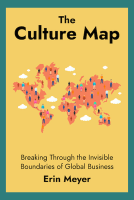 Title: The Culture Map: Breaking Through the Invisible Boundaries of Global Business
Author: Erin Meyer
Genre: Business, Communication, Career, Leadership
Year of Publication: 2014
Pages: 288
Summary: What the Book Is About
This book explains why smart people misunderstand each other across cultures—and how to fix it. Erin Meyer shows that “good communication” is not universal. Some cultures prefer direct messages, while others prefer indirect hints. Some cultures trust fast (after a friendly talk), while others trust slowly (after working well together). The book gives a clear framework you can use in meetings, emails, feedback, negotiations, and teamwork.
“Do not do unto others as you would have them do unto you. They may have different tastes.”
To make cultural differences practical, the book is often explained through “culture scales” (for example: direct vs. indirect communication, different ways to give negative feedback, and different styles of decision-making).
English Level
- CEFR level: B2 (comfortable) or C1 (best experience)
- Learners preparing for: IELTS 6.5+ (or similar level like TOEFL iBT ~90+)
Why: the book uses business vocabulary (management, strategy, corporate culture), plus many examples and comparisons across countries.
Why This Book Helps English Learners
If you are learning English for work, this book can be useful because it teaches language you actually need in real situations.
Skills it supports:
-
Reading: clear structure, lots of real-life examples
-
Vocabulary: work and leadership language (meetings, feedback, hierarchy, alignment)
-
Idioms & business phrases: common professional expressions in context
-
Grammar in context: how English softens messages (polite tone, hedging, modal verbs)
What to focus on while reading (3 simple methods):
-
Highlight “work verbs” (align, persuade, challenge, clarify, escalate) and write your own examples.
-
Copy 5 useful sentences per chapter and change one detail (name, country, situation) to practice grammar naturally.
-
Build a “meeting phrase bank” (asking questions, disagreeing politely, summarizing decisions).
Unique words (estimate): about 8,000 (varies by edition and counting method).
Tip: track new words inside Fluently app so you can review them in short daily sessions.
How to read The Culture Map by Erin Meyer as an English learner
Use a simple routine so you don’t get tired or stuck:
-
Read 10–15 pages per day (or one short section).
-
After reading, write a 3-sentence summary: what happened, what went wrong, what you would do next time.
-
Practice speaking: explain one example aloud for 60 seconds using Fluently app voice practice.
User Reviews
⭐⭐⭐⭐⭐ “It helped me understand why my emails sounded ‘too direct’ to some colleagues. The scales made the differences easy to remember.”
⭐⭐⭐⭐ “Very practical for global teams. I liked the examples because they felt real, not academic.”
⭐⭐⭐⭐ “Some parts repeat, but overall it improved how I give feedback and run meetings.”
Average Rating: 4.3 / 5
Did You Know?
- The book is written for global business situations—especially for people who work in international teams and want fewer misunderstandings.
- Erin Meyer is widely described as a professor and expert on cross-cultural management, and the book is connected to that research-and-teaching background.
- Many readers use the book like a reference tool: they re-check a few “culture scales” before a big meeting, negotiation, or feedback conversation.
Want to turn these ideas into real English you can use? Save key phrases in Fluently app and review them before meetings.
Similar Books You Might Enjoy
If you like the goals of this book—better international communication, fewer misunderstandings, stronger leadership—these are good next reads:
-
The Culture Code — Daniel Coyle (team culture, trust, group habits)
-
Riding the Waves of Culture — Fons Trompenaars & Charles Hampden-Turner (culture differences in business behavior)
-
Talking to Strangers — Malcolm Gladwell (misunderstanding, assumptions, and communication risk)
❓ FAQ
Is this book useful if I don’t manage a team?
Yes. It’s helpful for anyone who writes emails, joins meetings, gives feedback, sells ideas, or works with international clients.
Do I need to travel or live abroad to benefit from it?
No. Remote work makes culture differences show up in calls, chats, and written messages. The book gives examples that match modern work.
What if I disagree with cultural “rules”?
The point is not to label people. The book helps you notice patterns, ask better questions, and choose the best communication style for the situation.
How can I study English with this book without reading every word?
Focus on examples. Read the story parts carefully, then skim the explanation. Collect phrases you can reuse (feedback, meeting talk, polite disagreement).
What is the fastest way to remember the vocabulary from this book?
Use a system: pick 10 words per week, write 1 sentence for each, and review them daily. Doing this inside Fluently appmakes review easier.