The Coaching Habit by Michael Bungay Stanier: Read It and Speak Better at Work
If you want to speak more clearly at work, coaching is a great skill to learn. This book is popular because it is practical and easy to use right away. You don’t need perfect English to start—just curiosity and a few good questions.
About the Book
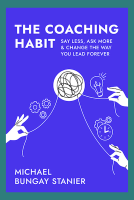 Title: The Coaching Habit: Say Less, Ask More & Change the Way You Lead Forever
Author: Michael Bungay Stanier
Genre: Business, Leadership, Communication
Year of Publication: 2016
Pages: 264
Summary: What the Book Is About
This book shows a simple way to coach people without giving long advice. The main idea is: ask better questions, listen carefully, and help the other person think. It introduces a small set of “core questions” you can use in real conversations with teammates, clients, or friends. Over time, these questions can help you build trust and solve problems faster—especially in busy US workplaces where everyone is short on time.
“And what else?”
English Level
CEFR level: B1–B2
-
B1 (Intermediate): You can understand the main ideas and follow the structure.
-
B2 (Upper-Intermediate): You can enjoy the tone, examples, and business vocabulary more easily.
Learners preparing for: IELTS 5.5–6.5 (or similar levels in TOEFL/other exams).
Why This Book Helps English Learners
This book is very useful if you want to sound calmer and more professional in meetings—without using complicated grammar. It focuses on short, natural sentences, which is great for real conversations.
Language skills it develops
-
Reading: short chapters, clear structure, quick takeaways
-
Vocabulary: workplace words (priority, clarity, commitment, feedback, outcome)
-
Idioms & common phrases: simple, repeated coaching phrases you can reuse
-
Grammar in context: questions, softeners (“What’s the real challenge here?”), and polite follow-ups
Unique words (estimate): ~6,000–9,000 unique word forms (because it’s practical non-fiction with repeated key language).
Tip: if you want a clean way to practise the questions out loud, record yourself in Fluently app and replay it once a day.
The “7 essential questions” (and how to use them in English)
| Coaching question | What it helps you do | Easy example you can copy |
|---|---|---|
| What’s on your mind? | Start a real conversation | “What’s on your mind today?” |
| And what else? | Go deeper (without pressure) | “And what else is happening?” |
| What’s the real challenge here for you? | Find the true problem | “What’s the real challenge for you?” |
| What do you want? | Get clear on needs | “What do you want from this?” |
| How can I help? | Offer support without taking over | “How can I help you?” |
| If you’re saying yes to this, what are you saying no to? | Set priorities | “What are we saying no to?” |
| What was most useful for you? | Close and reflect | “What was most useful today?” |
Three simple ways to learn faster while reading (US-focused)
-
Underline short questions and reuse them in meetings (Americans like direct but polite questions).
-
Build a “work phrases” list (10–20 phrases) and review it weekly in Fluently app.
-
Practise mini-dialogues: read a question, pause, answer in 2–3 sentences, then continue.
User Reviews
⭐⭐⭐⭐⭐ “Short chapters, big impact. I used the questions the same week.”
⭐⭐⭐⭐ “The questions feel simple, but they change the whole conversation.”
⭐⭐⭐⭐ “Great for managers, but also helpful for everyday talks.”
Average Rating: 4.0 / 5
Did You Know?
- The book is built around a repeatable set of core questions—so you don’t need to memorise long theories.
- “And what else?” is famous because it often reveals the real issue after the first answer.
- Many readers treat it like a “desk book”: they re-read one chapter before important meetings because the format is short and practical. (This is a common review theme.)
Similar Books You Might Enjoy
If you like the topic and goals, these books pair well:
-
The Advice Trap — Michael Bungay Stanier (how to stop over-advising and coach more)
-
Crucial Conversations — Kerry Patterson, Joseph Grenny, Ron McMillan, Al Switzler (high-stakes talks, clear language)
-
Difficult Conversations — Douglas Stone, Bruce Patton, Sheila Heen (feedback, emotions, and better wording)
❓ FAQ
Is this book only for managers?
No. It’s great for managers, but the questions work for anyone: team members, freelancers, parents, and students.
Can I use the questions in emails, not only in meetings?
Yes. Short coaching questions work well in email and chat. Keep them simple and add context, like: “Quick question—what do you want to achieve this week?”
How do I practise these questions if I feel shy in English?
Start with one question per week. Say it out loud 10 times. Then use it in one safe situation. You can also rehearse with Fluently app before a real meeting.
What if my coworker gives very short answers?
Use follow-ups that feel friendly, not aggressive. For example: “Could you tell me a bit more?” or “What’s one small next step?”
Should I read it cover to cover or jump around?
If your English is B1, read it in small pieces (10–15 minutes). If you want quick results, jump to the “questions” chapters first, then return to the rest later.
Fluently app can also help you turn the key questions into daily speaking practice—short, realistic, and easy to repeat.