Talking to Strangers by Malcolm Gladwell – The Power of Communication and Understanding in Our Interactions
Talking to Strangers by Malcolm Gladwell explores the complexities of human interaction, specifically how we communicate and interpret people we don’t know. Gladwell delves into real-world examples where misunderstandings, biases, and assumptions have led to significant consequences. This book challenges our perceptions of how we interact with strangers and teaches us the importance of truly understanding the people around us.
About the Book
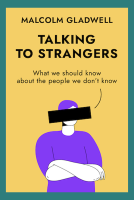 Title: Talking to Strangers
Author: Malcolm Gladwell
Genre: Psychology, Society, Communication, Personal Growth
Year of Publication: 2019
Pages: 400
Summary: What the Book Is About
In Talking to Strangers, Malcolm Gladwell examines why we often misinterpret the intentions and behavior of strangers. He explores famous historical events and personal stories, showing how people have been misunderstood or judged incorrectly based on limited or biased information. Gladwell argues that this failure to understand strangers stems from our inherent assumptions and lack of effective communication strategies. The book offers insights into how we can communicate better, avoid misjudgments, and build more meaningful connections.
“We default to truth, we assume people are telling us the truth. But when we meet strangers, we often fail to see the truth in front of us.” — Talking to Strangers by Malcolm Gladwell
Key Ideas from Talking to Strangers
| Concept | What It Means |
|---|---|
| Default to Truth | The tendency to believe people are truthful, even when they may not be |
| Transparency | The belief that being open and honest is always the best approach |
| The Truth Default Theory | How our assumptions about others influence our interpretation of their actions |
English Level
-
CEFR Level: B2–C1
-
Learners preparing for: IELTS 6.5–7.5, TOEFL 90–100
The language used in Talking to Strangers is engaging but can be complex, with detailed examples and analysis. It is best suited for upper-intermediate to advanced learners, particularly those interested in psychology, social issues, and communication.
Why This Book Helps English Learners
Talking to Strangers is a great resource for learners interested in improving their reading comprehension and expanding their vocabulary, especially in the context of psychology and communication.
Language skills developed:
-
Reading: Understanding detailed non-fiction texts and analyzing real-world examples
-
Vocabulary: Words related to psychology, human behavior, biases, and communication
-
Idioms: Common expressions and phrases used in understanding and interacting with others
-
Grammar in context: Complex sentence structures and narrative explanations
Estimated number of unique words: about 1,500+ unique words
By reading Talking to Strangers, learners can also enhance their conversational skills. Using the Fluently app alongside the book helps reinforce vocabulary and expressions related to communication and social understanding. The app offers interactive exercises where users can practice real-world dialogues and scenarios inspired by the book’s concepts.
User Reviews
⭐⭐⭐⭐⭐ “A brilliant and thought-provoking book. Gladwell does an excellent job of showing how misunderstandings happen every day.”
⭐⭐⭐⭐ “This book changed the way I approach conversations with people I don’t know. It’s filled with valuable insights.”
⭐⭐⭐⭐ “Interesting, but the book gets a little repetitive at times. Still, an important read for anyone interested in psychology and communication.”
Average Rating: 4.5 / 5
Did You Know?
-
Talking to Strangers explores the infamous case of Sandra Bland, where a routine traffic stop escalated due to a lack of understanding between the officer and the driver.
-
Malcolm Gladwell has also written bestselling books like Outliers and Blink, focusing on human behavior and decision-making.
-
The book suggests that many of our interactions with strangers are based on misconceptions, and we must be more mindful to reduce these biases.
Similar Books You Might Enjoy
If you enjoyed Talking to Strangers, consider reading these books that explore similar themes of human behavior, communication, and psychology:
-
Outliers: The Story of Success by Malcolm Gladwell
Investigates the factors that contribute to high levels of success and how context and opportunities shape our abilities. -
Blink: The Power of Thinking Without Thinking by Malcolm Gladwell
Explores the science of rapid decision-making and the power of intuition in understanding people and situations. -
The Tipping Point: How Little Things Can Make a Big Difference by Malcolm Gladwell
Focuses on how small actions and ideas can create massive societal changes and why some trends become widespread.
❓ FAQ
What is the main message of Talking to Strangers?
The book explains how misunderstandings between people, particularly strangers, are common, and how these misjudgments can have serious consequences. It suggests that we need better ways to communicate and interpret others.
Is Talking to Strangers only about human behavior?
While the book focuses on human behavior, it also dives into the psychology of trust, biases, and how these affect our interactions with strangers in various scenarios.
Is Talking to Strangers a difficult read in English?
The book is written in clear language but tackles complex psychological ideas. It’s best suited for upper-intermediate to advanced learners, especially those interested in psychology or communication.
Can this book help me improve my communication skills?
Yes, the book provides valuable insights into effective communication, especially in unfamiliar or stressful situations. It’s a great resource for improving your understanding of how to engage with others.
How does Talking to Strangers differ from other books on communication?
While many books on communication focus on methods for engaging people, Talking to Strangers specifically addresses how and why we often fail to understand those we don’t know, offering solutions for these challenges.